
Air Pollution
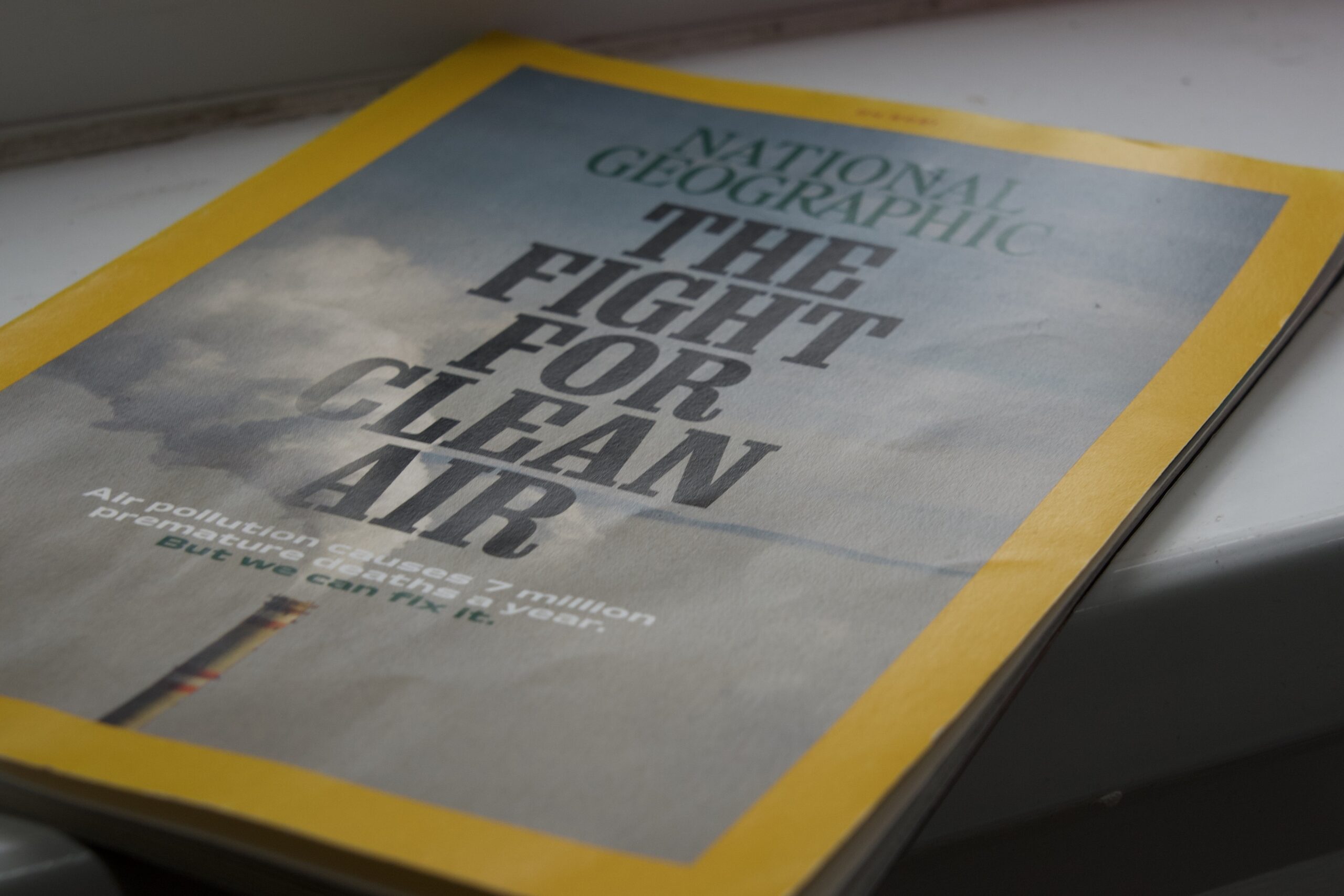
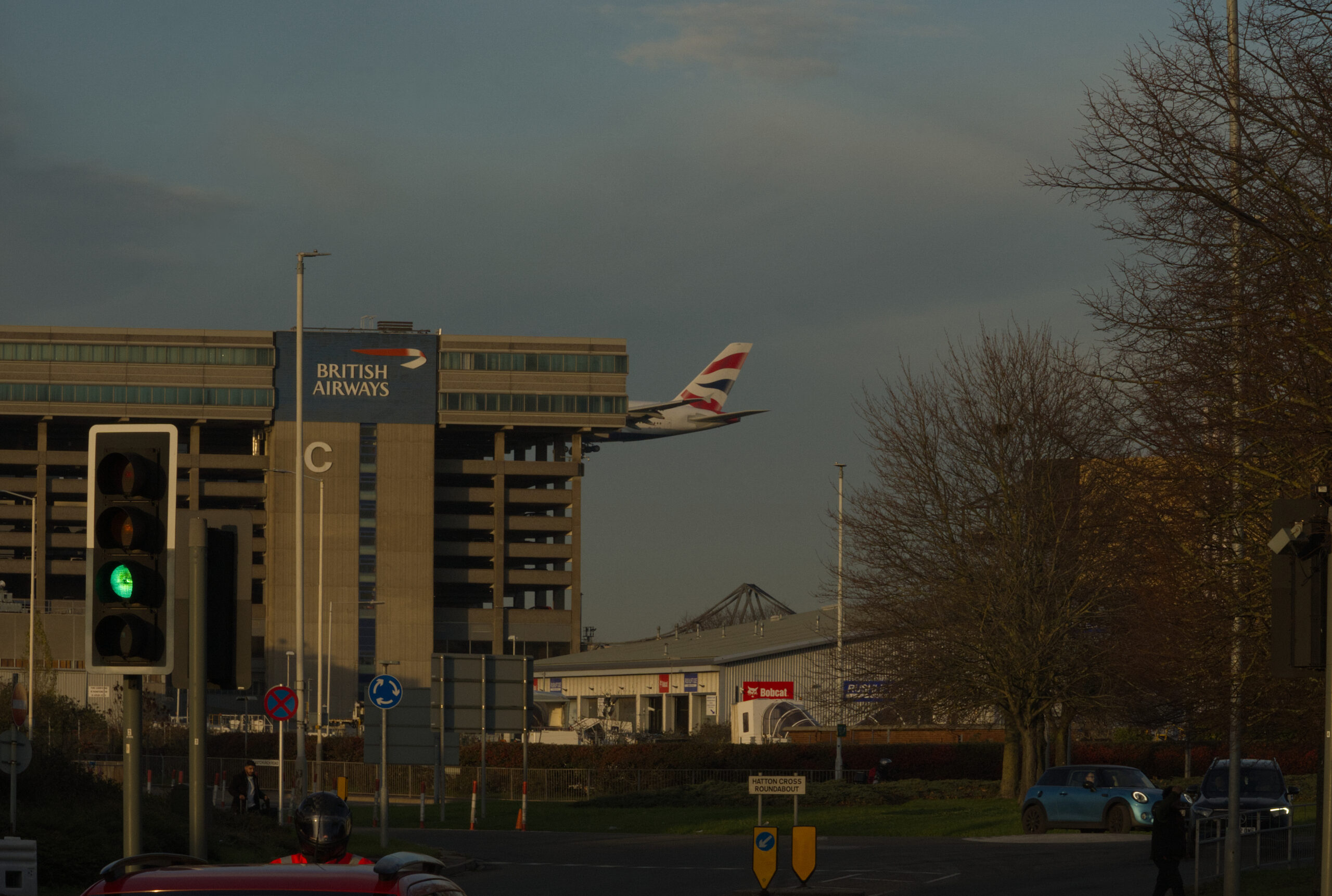
Airports in London handle approximately 1300 flights every day. UK aviation emissions are 7% of all UK carbon emissions and more than a quarter of the country’s transport emissions according to transportenvironment.org. London’s airports’ noise pollution significantly impacts hundreds of thousands of people, with issues including sleep disturbance and severe lung problems. Aviation activities, including aircraft take off, landing, taxiing and ground support emit several pollutants that degrade air quality, especially in the areas immediately surrounding airports and under flight paths, extending into London.

Climate Change Impact
Intense aerial traffic in London, particularly around major airports, exposes it to significant environmental and public health costs. The combustion of jet fuel during aircraft take off, landing, and flight is a major source of air pollution and climate change contributors. Locally, the release of Nitrogen Oxides and Particulate Matter (PM) degrades air quality, especially in areas near airports, posing respiratory and cardiovascular risks to residents. Beyond local air quality, aviation is a substantial source of Carbon emissions, driving long-term climate change.
Furthermore, non CO2 effects, such as the formation of Contrails at high altitudes, create Contrail clouds that trap heat and amplify global warming in the short term. The resulting noise pollution is a critical public health issue, linked to sleep disturbance and cardiovascular disease among populations under flight paths.
Here, on the left, you can examine the sky above Heathrow airport on a sunny day while at the same time on the right picture, is the sky above other parts of London which is much clear.




Noise Pollution
The persistent nature of aircraft noise over London has a significant negative impact on the health and quality of life for millions of residents, particularly those near major airports and flight paths. The health effects are primarily mediated through sleep disturbance and the body’s stress response.


We interviewed Shoaib, a London based student for this article. Shoaib’s university is right next to one of London’s major airports,”I can see planes taking off and landing on runway from my classroom window”, he said. When inquired about the issues he faced because of aircraft noise, he said he did not experience any medical or psychological challenges, however, “it gets too noisy to concentrate on studying sometimes, the lecturers have to pause the lecture at times”
Positive Developments and Technological Mitigation
Despite the inherent difficulties in decarbonising the sector, recent technological and operational advancements offer a pathway toward reducing the environmental burden. Significant local air quality improvements near London’s airports have been achieved primarily by targeting ground operations and associated road traffic. London policies like the Ultra Low Emission Zone (ULEZ) have reduced road traffic emissions. Furthermore, airports are transitioning to electric ground support equipment and implementing procedures like reduced engine taxiing to cut local emissions. Technologically, the focus is on improving aircraft efficiency through High Bypass Ratio Turbofans and lightweight composite materials, which significantly cut fuel burn and noise.


Modern jet engines use a higher bypass ratio, meaning a larger portion of the air bypasses the combustion core. This generates thrust more efficiently, resulting in up to 15-20% greater fuel efficiency with each new generation of aircraft, and also significantly reducing noise pollution. The most impactful long-term solution is the rapid adoption of Sustainable Aviation Fuels (SAF), which can reduce emissions by up to 80%.

The Way Forward: Policy and Innovation
The trajectory for mitigating aviation’s impact requires a dual approach of strong policy and accelerated innovation. Governments must enforce mandates, such as the UK’s Sustainable Aviation Fuel (SAF) Mandate, to secure the necessary supply and uptake of low-carbon fuels. Air Traffic Management (ATM) modernisation, which allows for more direct routes and continuous descent approaches, is crucial for operational efficiency, saving both fuel and reducing noise exposure. Finally, policies must address the immediate public health impact by expanding noise mitigation schemes and continuing to incentivise the use of newer, quieter, and cleaner aircraft through landing charges. Achieving the target of Net Zero by 2050 for the aviation sector depends on the consistent and integrated implementation of these technological and regulatory measures.